
Category

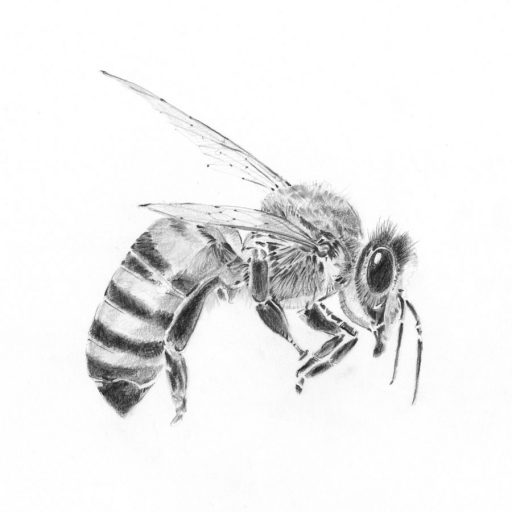
Honey Bee

Honey bees have been raised in Texas since pre-Civil War years, and apiculture remains an active industry today, important for honey and wax production, and essential for crop pollination. However, bee populations face serious threat from colony collapse, evidently caused by parasites, beetles, and mites, likely made worse by climate change, landscape shifts, and the use of herbicides and pesticides.

Interviews

Narrator: Dan AurellTitle: Bee TravelDuration: 00:03:03Date: November 25, 2019Dan Aurell works with the Bee Informed Partnership to inspect, sample, diagnose, and consult on the health of honey bee colonies. Here he describes the wide travels of a typical group of colonies, ranging from North Dakota, Texas, California, and Washington state, providing pollination for almonds and cherries, and creating honey from Chinese tallow, canola, sweet clover, and alfalfa.Narrator: Dan WeaverTitle: Climate ChangeDuration: 00:05:25Date: September 26, 2025Dan Weaver, a beekeeper and honey bee researcher based in the Navasota, Texas, has seen a number of challenges arise for colonies due to climate change. The impacts come from extreme heat, unusual cold, severe drought, high rainfall events, and shifts in the seasons. All of these climate effects can be magnified and act synergistically with herbicide exposure and landscape changes.Narrator: Dan WeaverTitle: NeonicotinoidsDuration: 00:02:25Date: September 26, 2025Dan Weaver, a Navasota beekeeper and bee researcher, has seen troubling effects on hives due to the increasing use of neonicotinoid insecticides. While the chemicals are safer for mammals, they appear to harm the bees' neural functions, compromising their navigation and communication abilities.Narrator: Dan WeaverTitle: Africanized BeesDuration: 00:04:15Date: September 26, 2025Dan Weaver, a 4th-generation beekeeper and breeder from Navasota, Texas, recalls a trip to South Texas in the early 1990s. While trying to collect honey from hives he kept there, he encountered the very aggressive Africanized bees that had been gradually making their way northward after South American releases in the 1950s.